We Buy Any House Portsmouth: Complete in 7–21 Days
We Buy Any House Portsmouth: Complete in 7–21 Days
Blog Article
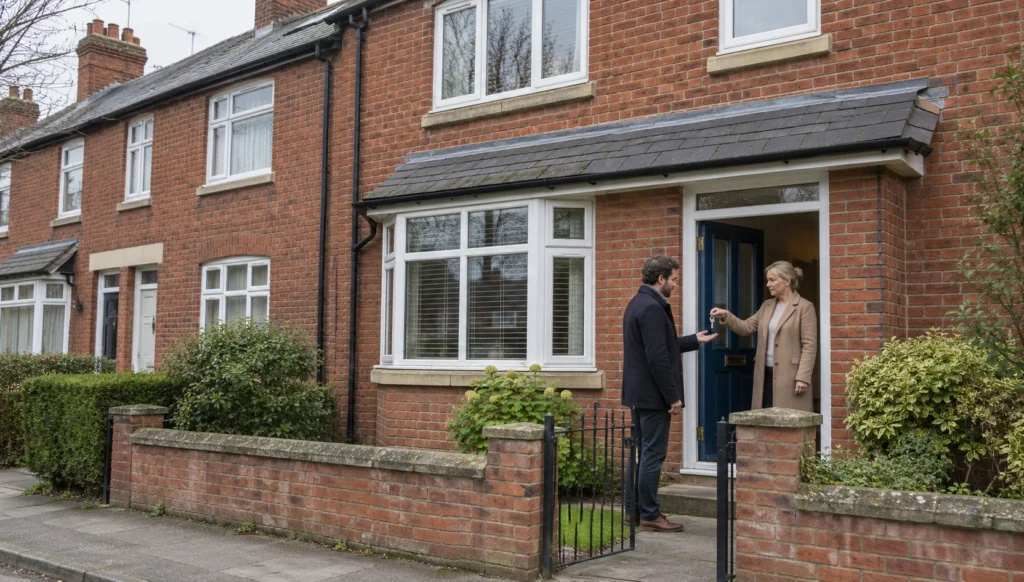
We Buy Any House: Complete in 7–21 Days
Selling a residential property on the open market often involves prolonged delays, multiple chain dependencies, and unstable fall-through rates. Many homeowners instead research a we buy any house service when they need an efficient, direct sale. Estate agents market properties to public buyers and charge commission. In contrast, a direct house buying company secures property using its own funds. This direct route avoids open-market marketing, eliminates property chains, and gives considerable certainty from the outset.
Direct property sales help sellers handling probate estates, broken property chains, serious structural defects, or upcoming job relocations. Successfully using this route needs knowing how cash buyers review assets. Homeowners must also understand statutory conveyancing steps and relevant UK consumer protections. What should sellers consider when trading open-market exposure for a streamlined direct purchase?
Key Takeaways
- A direct property buyer acts as the cash purchaser rather than marketing your home, removing estate agency commissions and property chain complications entirely.
- Reputable property buying firms provide provisional cash offers within twenty-four hours, followed by an independent single-visit survey to establish the building condition.
- Sellers can conclude transactions within seven to twenty-one days or take an alternative future completion date arranged formally between both legal teams.
- Direct cash buyers acquire residential properties in their prevailing condition, ending any obligation for homeowners to carry out repairs, refurbishments, or clearances.
- Legitimate house purchasing companies keep registered membership with the National Association of Property Buyers and supply free dispute redress through The Property Ombudsman.
House Sale Methods Compared Across England and Wales
Selling property in England and Wales involves choosing between different routes. Each path matches speed, certainty, and net proceeds. Standard estate agencies bring public exposure but rely on mortgage approvals and chain stability. Direct sales emphasise speed and transaction certainty. They end marketing delays by selling straight to a financed cash buyer.
Property auctions impose legal deadlines but bring entry fees and reserve price risks. In contrast, direct cash buyers assess properties in their current state. They fund standard legal costs through panel solicitors and levy zero commission. Comparing each method against your personal timescale helps find the most effective route.
| Sale Route | Typical Speed | Certainty Level | Seller Fee Structure |
|---|---|---|---|
| High-Street Estate Agent | Variable dependent on chain | Low until exchange | Commission plus VAT and EPC |
| Traditional Auction | Fixed 28-day completion | High after hammer fall | Entry fees, commission, legal pack |
| Direct Cash Buyer | 7–21 days or preferred date | High following survey | Zero agent fees; legal costs covered |
How Quick House Sale Services Really Work
Direct Cash Purchases versus Open Market Agency Sales
A direct property sale bypasses open-market estate agency marketing entirely. Instead of searching for mortgage-dependent retail buyers and managing multiple viewings, homeowners deal directly with a cash buyer. This cuts chain collapse risks and avoids estate agency fees. It establishes a defined legal timeline coordinated directly with qualified conveyancing solicitors.
In a traditional sale, estate agents operate as intermediaries between sellers and the public. That structure adds vulnerability. If a buyer fails mortgage checks, transactions break before exchange. Direct cash buyers resource purchases independently. Because mortgage underwriting does not dictate the transaction, the buyer moves rapidly from legal instruction to exchange.
What the Any House Promise Means in Practice
The phrase 'we buy any house' reflects wide-ranging buying criteria rather than an unconditional promise. Genuine property buying companies review residential buildings regardless of physical condition or location. However, every formal purchase remains subject to title verification, independent RICS survey checks, and formal exchange of contracts under English and Welsh law.
Rogue operators often issue unconditional claims to urge homeowners into signing limiting agreements. Genuine firms maintain an analysis-led approach. They review Land Registry records, assess local pricing data, and survey structural condition. Treating 'any' as comprehensive consideration ensures sellers receive transparent, defensible proposals rather than excessive promises.
Property Types and Situations Direct Buyers Consider
Residential Properties Across Diverse Construction Styles
We consider houses, flats, bungalows, and maisonettes in any physical state across England and Wales. This includes typical brick properties alongside non-standard construction types such as Airey, Cornish Unit, Wimpey No-Fines, and Laing Easiform homes. These non-traditional construction methods frequently cause mortgage lenders to refuse applications, making direct cash sales sensible.
Mortgage lenders impose rigid underwriting rules for non-standard construction. Precast reinforced concrete systems listed defective under the Housing Defects Act 1984 necessitate authorised repair schemes before banks lend. Direct cash buyers work without mortgage debt. Consequently, owners of BISF steel-frame houses, timber-frame properties, and pre-cast concrete homes can complete a successful sale.
Complex Legal Situations and Problem Properties
Property owners under serious defects, active or historic subsidence, fire or flood damage, and short leases can secure direct purchasing solutions. We also assess properties with cladding issues or missing EWS1 forms. Furthermore, buy-to-let homes, properties with tenants in situ, HMOs, and certain landlord portfolios can also be reviewed.
Life events often hasten the need for a sale. Executors handling probate estates can confirm a preliminary price before the grant of probate is issued. Formal contracts exchange once probate is granted. Sellers settling divorce or dealing with mortgage arrears also benefit from selling in current condition without starting repairs.
Did You Know?
Since 1 October 2008, the Estate Agents (Redress Scheme) Order 2008 has required every estate agent handling residential property in the UK to join an approved redress scheme. Trading Standards can impose a £1,000 penalty charge on any agent operating without membership.
How the Cash Purchase Offer Is Worked Out
Core Factors Shaping Cash Valuations
Cash offers follow an evidence-based analysis of local market evidence, property tenure, structural condition, legal complexities, occupancy status, and requested timescales. Cash buying firms evaluate recent Land Registry price-paid data for equivalent local properties. They alter this baseline to reflect anticipated repair expenditures, holding costs, and statutory resale costs before giving an offer.
Direct buyers examine Land Registry records to review boundaries, title charges, and rights of way. They see whether a flat lease has gone below eighty years, as shorter leases lift extension costs and dissuade lenders. If tenants hold the property or structural defects necessitate remediation, these elements are factored into the financial assessment.
Cash Offers Compared With Open-Market Value
A cash offer rests below open-market value because the purchaser absorbs business risk, repairs, running charges, and ongoing holding costs. In exchange, the homeowner avoids estate agency commission, marketing expenses, months of mortgage interest, council tax liabilities, and the risk of a buyer exiting prior to exchange of contracts.
The RICS definition of open-market value assumes suitable marketing exposure over several months with willing parties acting without compulsion. When a seller demands speed and certainty, open-market conditions do not hold. Assessing the net financial outcome—subtracting agency commission, conveyancing, ongoing bills, and potential down-valuations—often reveals that a sure cash sale serves urgent requirements.
24-Hour Provisional Offers and RICS Surveys
Fast Initial Valuation and Offer Delivery
Once a homeowner gives property details, a senior buyer reviews the information and sends a starting cash offer within 24 hours. There is no charge to request an offer and no obligation to accept. This opening proposal creates a realistic baseline, allowing the homeowner to weigh their options without financial commitment.
During early discussions, the senior buyer checks title details, property dimensions, and local comparables. The homeowner grants no rights and suffers no penalty by reviewing this figure. The senior buyer remains the single point of contact throughout the entire sale. They work directly with the nominated solicitor to give regular updates in plain English.
Independent Condition Assessment via Single-Visit Survey
When a seller approves the initial cash offer in principle, the buyer hires an impartial RICS survey. This inspection requires only a single visit to judge the structural integrity and general condition of the building. It prevents the disruption and inconvenience of arranging repeated buyer viewings across several weeks or months.
Every cash offer stays provisional until the survey and conveyancing checks complete. If the survey reveals previously undisclosed defects—such as active subsidence, roof decay, or damp—the buyer covers the findings with the seller. This discussion ensures both parties settle on a reasonable revised position before the purchase proceeds toward legal exchange.
Transaction Timelines and Setting Your Completion Date
Fast-Track Schedule From Instruction to Completion
A direct purchase helps sellers to finish a house sale in 7–21 days once legal teams settle title documentation and contract enquiries. Because the buyer does not depend on mortgage lender approvals or onward property chains, conveyancing progresses swiftly. Solicitors exchange signed contracts and perform completion as soon as searches and enquiries complete.
In England and Wales, transactions become legally binding only at exchange of contracts. Standard open-market conveyancing often requires months because lenders make extensive enquiries and buyer chains demand synchronisation. In a cash transaction, the absence of loan underwriting eliminates these bottlenecks. The legal teams direct entirely on title verification, securing prompt progression toward completion.
A Completion Date That Fits Your Schedule
Speed is not the only advantage; flexibility stands central to the direct sale process. Sellers can pick their chosen completion date to meet an onward relocation, probate administration schedule, or tenancy conclusion. The legal teams confirm the target date formally, giving certainty without pressing homeowners into an unsuitable moving timetable.
While sales can conclude within three weeks, many sellers favour a bigger window to arrange packing, secure rental accommodation, or coordinate family moves. Direct buyers honour these preferences within the contractual timeline agreed by solicitors. This flexibility provides sellers with total control over their departure date while locking in the legal certainty of an exchanged contract.
Seller Costs and Conveyancing Options
No Estate Agency Fees or Marketing Expenses
Selling to a direct cash buyer means no estate-agent fees, no marketing outlays, and zero charges to receive an offer. Homeowners who sell via traditional estate agents typically meet considerable commission alongside VAT at twenty percent. By selling directly to the purchaser, sellers keep their entire agreed proceeds without advertising deductions.
Agency contracts often carry sole selling rights, locking homeowners to fixed exclusivity periods and demanding commission even if the seller finds a private buyer. A direct cash sale carries no such obligations. The homeowner faces no initial costs, no fee for obtaining an offer, and no penalty if they decide not to proceed prior to exchange.
Solicitor Choice and Legal Cost Contributions
Sellers hold complete control over their legal representation during a direct property sale. Homeowners can instruct a named panel solicitor, with us paying the fixed conveyancing costs. Alternatively, sellers may engage their own independent solicitor, with us contributing £500 towards their legal fees whilst the seller covers any remaining balance.
Independent legal representation shields the seller's interests throughout the transaction. Panel conveyancers hold deep familiarity with accelerated direct sales, helping achieve rapid exchange. If a seller chooses their existing family solicitor, the timescale aligns with that specific firm’s operational speed. In both scenarios, the seller's solicitor undertakes mortgage redemption, title transfers, and final distribution of proceeds.
How to Check Cash Buyer Legitimacy Through NAPB and TPO
Industry Standards in the Quick Sale Sector
Homeowners researching we buy any house UK services must verify a company's professional credentials before proceeding. The National Association of Property Buyers (NAPB) requires all member firms to register with The Property Ombudsman (TPO). This framework ties members to a clear Code of Practice and grants consumers access to impartial dispute redress.
The property purchasing sector does not have a single statutory regulator, making voluntary association standards central for consumer protection. The Digital Markets, Competition and Consumers Act 2024 enforces firm rules against misleading trading practices and false reviews. Verifying that a firm keeps active NAPB membership and verifiable TPO registration confirms homeowners deal with an accountable, professional organisation.
Red Flags Among Unscrupulous Cash Buyers
Sellers should be alert to usual warning signs when liaising with cash property buying companies. Red flags include demands for upfront valuation fees, lengthy exclusivity lock-in contracts, and refusal to provide proof of funds. Unscrupulous firms often table artificially inflated initial offers only to reduce them drastically immediately before contract exchange.
A recognised buyer will never charge fees to visit a property or give an offer. Homeowners should check company registration on Companies House and confirm that the company is buying the asset directly rather than serving as a lead generation agency selling details to third-party investors. Checking authentic customer reviews on independent platforms further safeguards sellers against predatory practices.
Final Thoughts
Homeowners pursuing a dependable alternative to open-market delays frequently examine a we buy any house service to gain a predictable sale. Weighing net proceeds against estate agency fees, ongoing mortgage payments, and carrying costs helps confirm whether a direct cash sale provides the appropriate solution for your circumstances. In practice, we find that sellers who value certainty over headline price gain the most from this route.
The property market will continue to evolve as legal reforms and economic conditions change conveyancing timelines across England and Wales. Maintaining realistic expectations regarding property valuations and engaging only with approved buyers who honour established codes of practice will remain the most sure strategy for reaching a smooth, secure transaction.
Frequently Asked Questions
Q: Do companies that say we buy any house really buy any property?
A: Direct property buying companies assess an exceptionally wide range of residential homes, including properties with structural movement, non-standard construction, short leases, and sitting tenants. However, the phrase reflects broad purchasing criteria rather than an unconditional legal guarantee. Every potential purchase demands title verification, independent RICS survey checks, and formal legal approval before contracts exchange. Reputable buyers evaluate whether they can present a viable offer based on local market comparables and physical condition, guaranteeing sellers receive transparent, sound proposals rather than unfulfillable promises.
Q: How does a direct sale to a cash buyer work?
A: The seller sends property details to collect a provisional cash offer within twenty-four hours without cost or obligation. If agreed in principle, the buyer hires an unaffiliated single-visit RICS survey to check structural integrity and condition. Legal conveyancing proceeds simultaneously through either a panel solicitor paid by the buyer or the seller's own conveyancer. The transaction becomes legally binding upon exchange of contracts, with completion occurring in seven to twenty-one days or on an alternative date set formally between both legal teams.
Q: Why do cash house buyers offer less than market value?
A: A direct cash buyer takes substantial commercial risks and overheads, including the costs of future structural repairs, refurbishment, council tax, utilities, and resale fees. RICS market value definitions assume broad public marketing over several months without compulsion. In exchange for taking a discounted purchase we buy any house price, the seller avoids estate agent commission, marketing outlays, months of ongoing mortgage payments, and the common risk of chain collapse. Sellers should always weigh the net financial return rather than headline asking figures.
Q: Can a cash buyer change their offer before exchange?
A: Under property law in England and Wales, all offers remain subject to contract until formal exchange occurs. An indicative cash offer is provisional, formulated using Land Registry comparables and seller disclosures. If an independent RICS survey or legal enquiries uncover previously unknown defects—such as active subsidence, roof decay, or boundary disputes—the buyer may change the figure. Clear buyers raise any survey findings openly with the seller to agree a revised price collaboratively before legal contracts are issued.
Q: How can I verify that a cash buyer is legitimate?
A: Homeowners can confirm a buyer's legitimacy by examining their company details on Companies House and checking active membership with the National Association of Property Buyers. Reputable firms must also be registered with The Property Ombudsman, which offers an external, free dispute resolution service. Furthermore, genuine cash purchasers never impose upfront valuation fees, do not press sellers into restrictive lock-in agreements, provide demonstrable proof of funds, and welcome the seller using an independent solicitor to handle the conveyancing.
We Buy Any House - Find Your Local Office
- We Buy Any House Ashford
- We Buy Any House Aylesbury
- We Buy Any House Banbury
- We Buy Any House Barnsley
- We Buy Any House Barry
- We Buy Any House Basildon
- We Buy Any House Basingstoke
- We Buy Any House Bath
- We Buy Any House Bebington
- We Buy Any House Bedford
- We Buy Any House Beeston
- We Buy Any House Birkenhead
- We Buy Any House Birmingham
- We Buy Any House Blackburn
- We Buy Any House Blackpool
- We Buy Any House Bloxwich
- We Buy Any House Bolton
- We Buy Any House Bootle
- We Buy Any House Bournemouth
- We Buy Any House Bracknell
- We Buy Any House Bradford
- We Buy Any House Brentwood
- We Buy Any House Bridgend
- We Buy Any House Brighton
- We Buy Any House Bristol
- We Buy Any House Burnley
- We Buy Any House Bury
- We Buy Any House Cambridge
- We Buy Any House Cannock
- We Buy Any House Canterbury
- We Buy Any House Cardiff
- We Buy Any House Carlisle
- We Buy Any House Carlton
- We Buy Any House Chatham
- We Buy Any House Chelmsford
- We Buy Any House Cheltenham
- We Buy Any House Chester
- We Buy Any House Chesterfield
- We Buy Any House Clacton-on-Sea
- We Buy Any House Colchester
- We Buy Any House Corby
- We Buy Any House Coventry
- We Buy Any House Crawley
- We Buy Any House Crewe
- We Buy Any House Crosby
- We Buy Any House Croydon
- We Buy Any House Darlington
- We Buy Any House Dartford
- We Buy Any House Derby
- We Buy Any House Dewsbury
- We Buy Any House Doncaster
- We Buy Any House Dudley
- We Buy Any House Durham
- We Buy Any House Eastbourne
- We Buy Any House Ellesmere Port
- We Buy Any House Exeter
- We Buy Any House Farnborough
- We Buy Any House Folkestone
- We Buy Any House Gateshead
- We Buy Any House Gillingham
- We Buy Any House Gloucester
- We Buy Any House Gosport
- We Buy Any House Gravesend
- We Buy Any House Grimsby
- We Buy Any House Guildford
- We Buy Any House Halesowen
- We Buy Any House Halifax
- We Buy Any House Harlow
- We Buy Any House Harrogate
- We Buy Any House Hartlepool
- We Buy Any House Hastings
- We Buy Any House Hemel Hempstead
- We Buy Any House Hereford
- We Buy Any House High Wycombe
- We Buy Any House Hinckley
- We Buy Any House Horsham
- We Buy Any House Huddersfield
- We Buy Any House Hull
- We Buy Any House Ipswich
- We Buy Any House Islington
- We Buy Any House Kettering
- We Buy Any House Kidderminster
- We Buy Any House Kingswinford
- We Buy Any House Lancaster
- We Buy Any House Leamington Spa
- We Buy Any House Leeds
- We Buy Any House Leicester
- We Buy Any House Lincoln
- We Buy Any House Liverpool
- We Buy Any House London
- We Buy Any House Loughborough
- We Buy Any House Lowestoft
- We Buy Any House Luton
- We Buy Any House Macclesfield
- We Buy Any House Maidenhead
- We Buy Any House Maidstone
- We Buy Any House Manchester
- We Buy Any House Mansfield
- We Buy Any House Margate
- We Buy Any House Middlesbrough
- We Buy Any House Milton Keynes
- We Buy Any House Newcastle
- We Buy Any House Newcastle-under-Lyme
- We Buy Any House Newport
- We Buy Any House Northampton
- We Buy Any House Norwich
- We Buy Any House Nottingham
- We Buy Any House Nuneaton
- We Buy Any House Oldham
- We Buy Any House Oxford
- We Buy Any House Paignton
- We Buy Any House Peterborough
- We Buy Any House Plymouth
- We Buy Any House Poole
- We Buy Any House Portsmouth
- We Buy Any House Preston
- We Buy Any House Reading
- We Buy Any House Redditch
- We Buy Any House Rochdale
- We Buy Any House Rochester
- We Buy Any House Romford
- We Buy Any House Rotherham
- We Buy Any House Rugby
- We Buy Any House Runcorn
- We Buy Any House Sale
- We Buy Any House Salford
- We Buy Any House Scarborough
- We Buy Any House Scunthorpe
- We Buy Any House Sheffield
- We Buy Any House Shrewsbury
- We Buy Any House Sittingbourne
- We Buy Any House Slough
- We Buy Any House Smethwick
- We Buy Any House Solihull
- We Buy Any House South Shields
- We Buy Any House Southampton
- We Buy Any House Southend
- We Buy Any House Southport
- We Buy Any House St Albans
- We Buy Any House St Helens
- We Buy Any House Stafford
- We Buy Any House Stevenage
- We Buy Any House Stockport
- We Buy Any House Stockton-on-Tees
- We Buy Any House Stoke-on-Trent
- We Buy Any House Stourbridge
- We Buy Any House Sunderland
- We Buy Any House Sutton Coldfield
- We Buy Any House Swansea
- We Buy Any House Swindon
- We Buy Any House Tamworth
- We Buy Any House Taunton
- We Buy Any House Telford
- We Buy Any House Torquay
- We Buy Any House Tunbridge Wells
- We Buy Any House Tynemouth
- We Buy Any House Wakefield
- We Buy Any House Wallasey
- We Buy Any House Walsall
- We Buy Any House Warrington
- We Buy Any House Washington
- We Buy Any House Watford
- We Buy Any House Wellingborough
- We Buy Any House Welwyn Garden City
- We Buy Any House West Bromwich
- We Buy Any House Weston-super-Mare
- We Buy Any House Weymouth
- We Buy Any House Widnes
- We Buy Any House Wigan
- We Buy Any House Woking
- We Buy Any House Wokingham
- We Buy Any House Wolverhampton
- We Buy Any House Worcester
- We Buy Any House Worthing
- We Buy Any House Yeovil
- We Buy Any House York